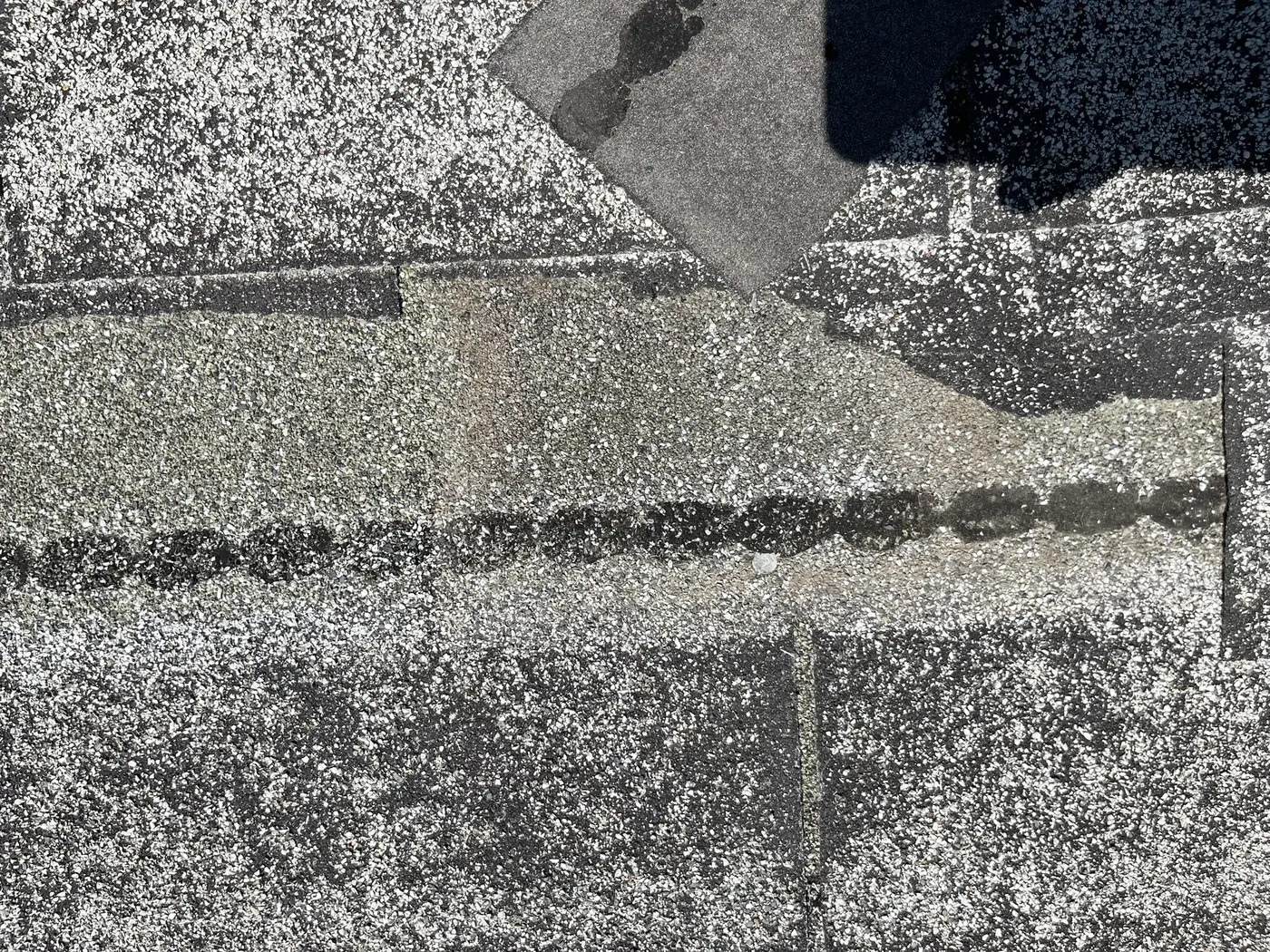
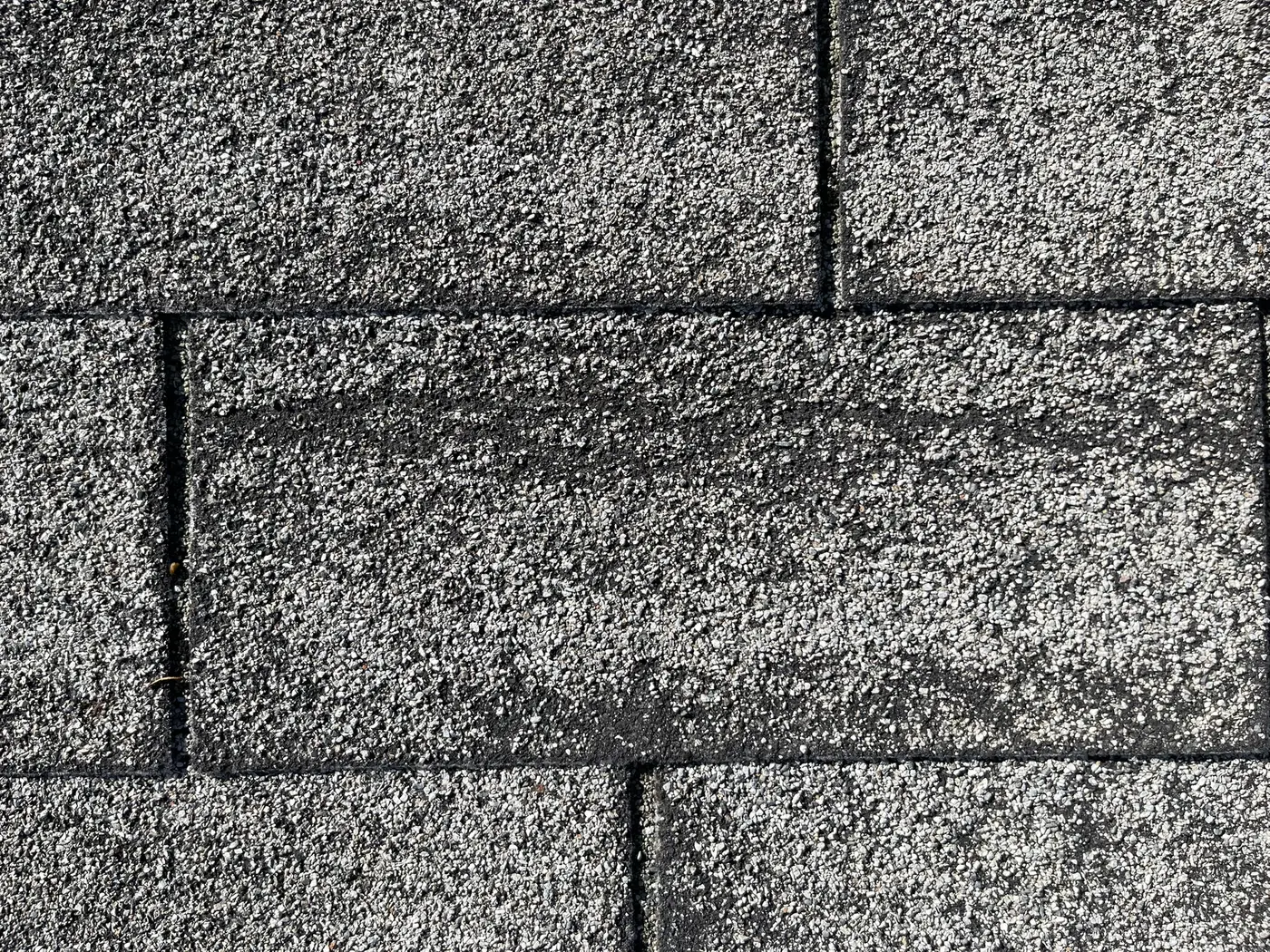
The deciding factor was not simply finding damage. It was documenting the wind effects clearly, organizing the report around the carrier's requirements and communicating how the observed conditions affected the roofing scope.
The challenge
The homeowners had already tried twice.
Before Sawtooth became involved, the homeowners had sought help from two other large Treasure Valley roofing contractors. Those attempts had not resulted in approval for a complete roof replacement.
Sawtooth approached the property as a fresh technical evaluation rather than relying on the earlier documentation. The team inspected the roof closely, photographed the wind-damaged areas and rebuilt the presentation of the evidence from the ground up.
What Sawtooth documented
The wind damage was visible in several forms.
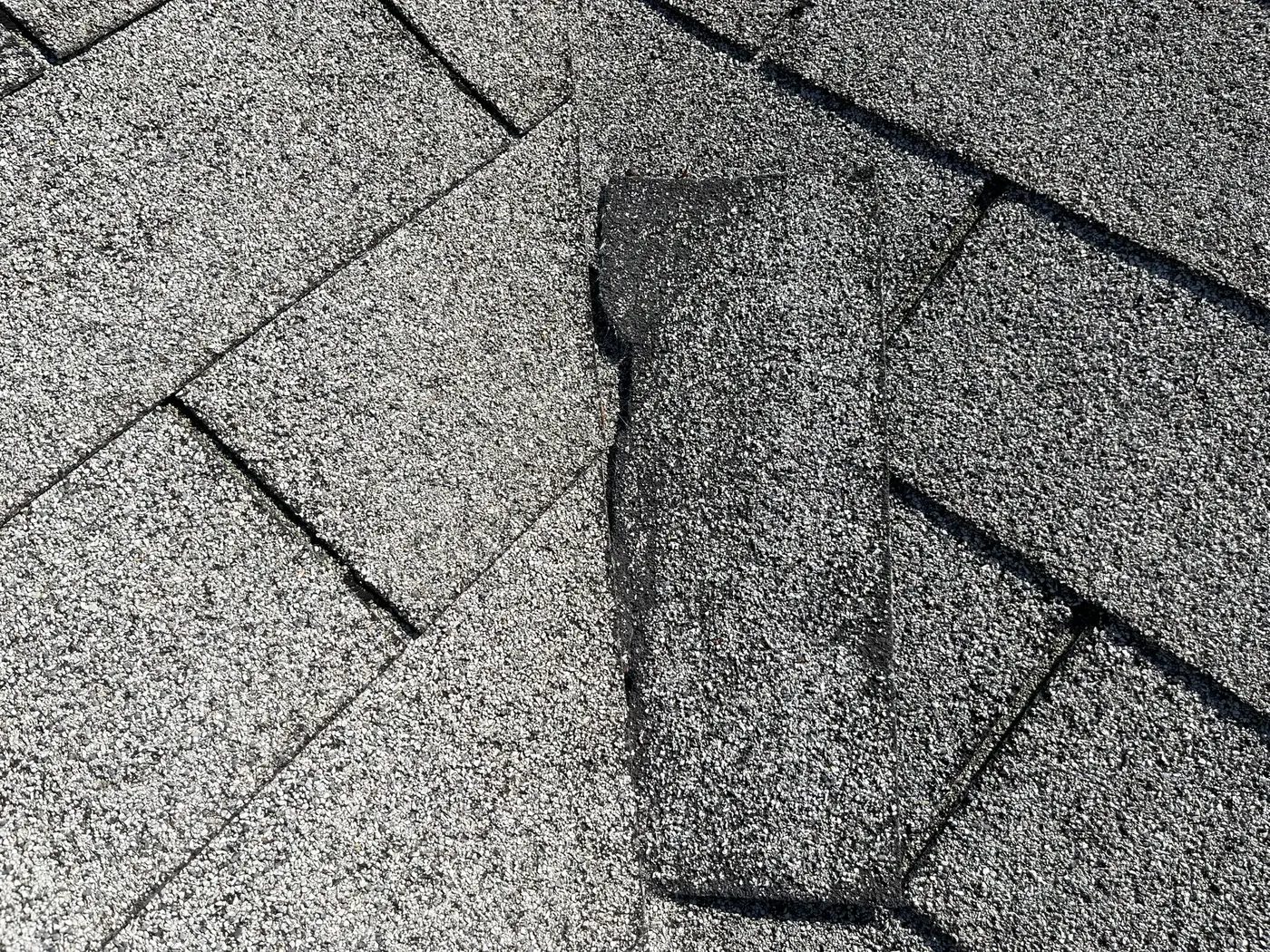
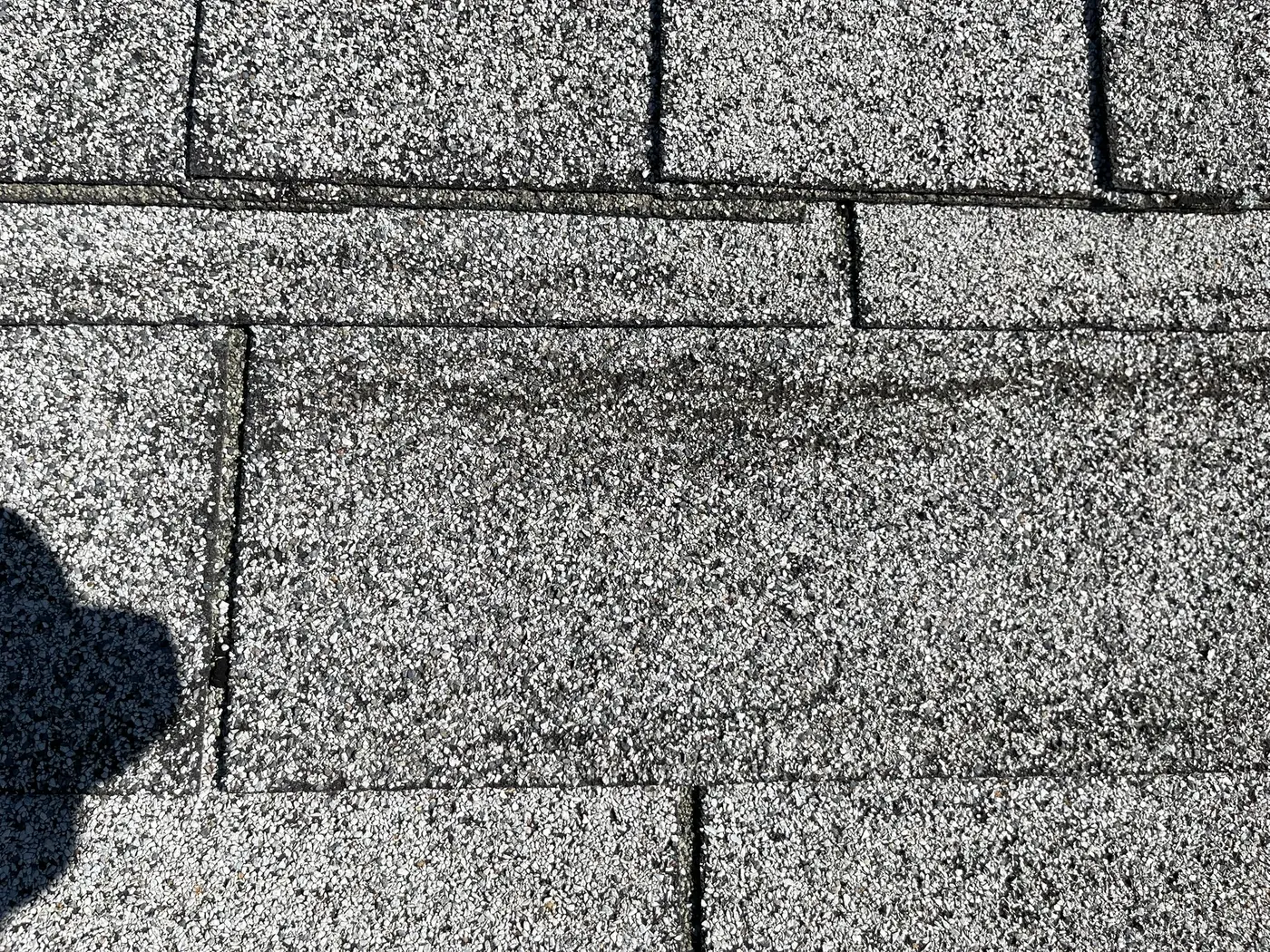
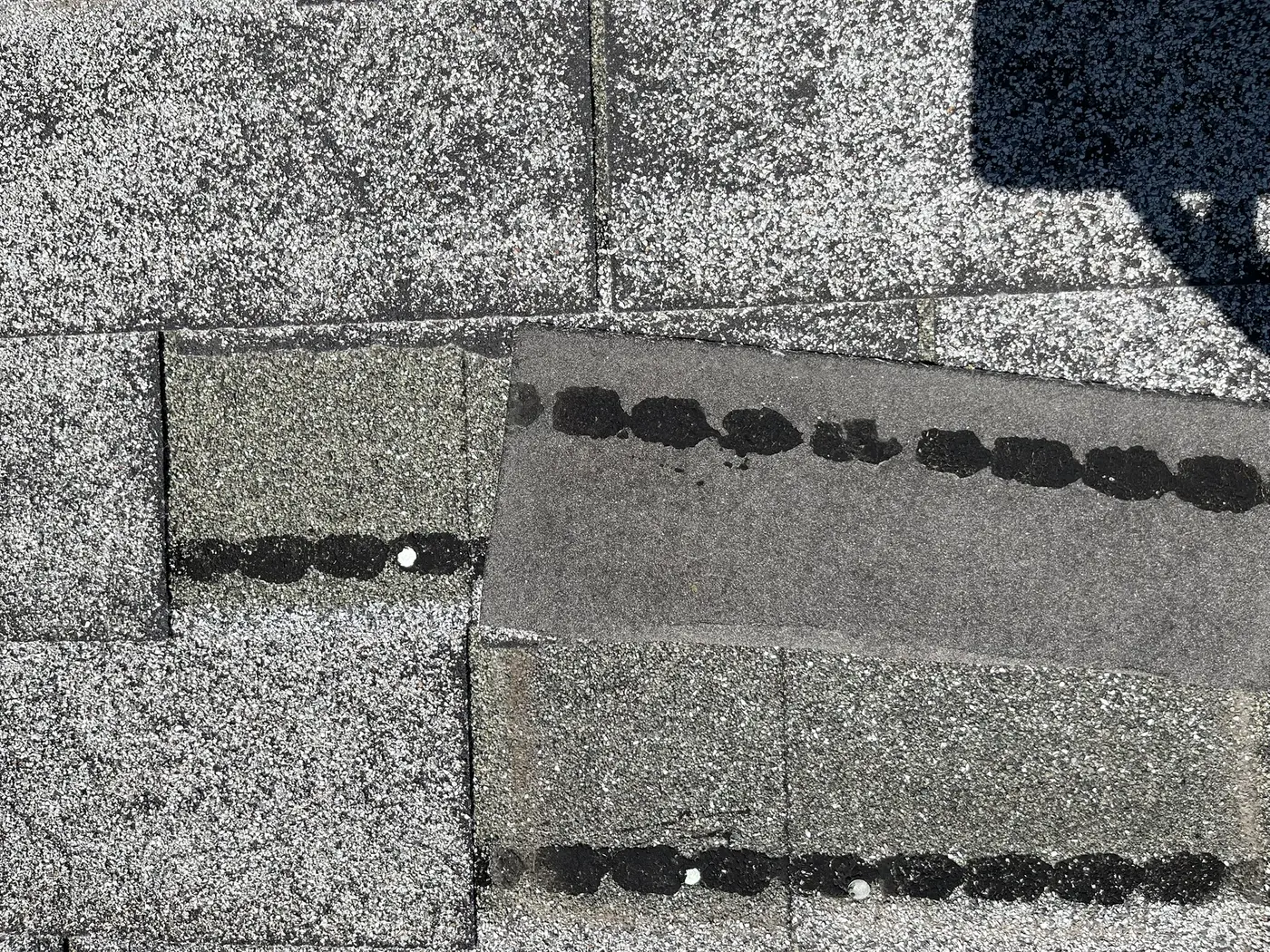
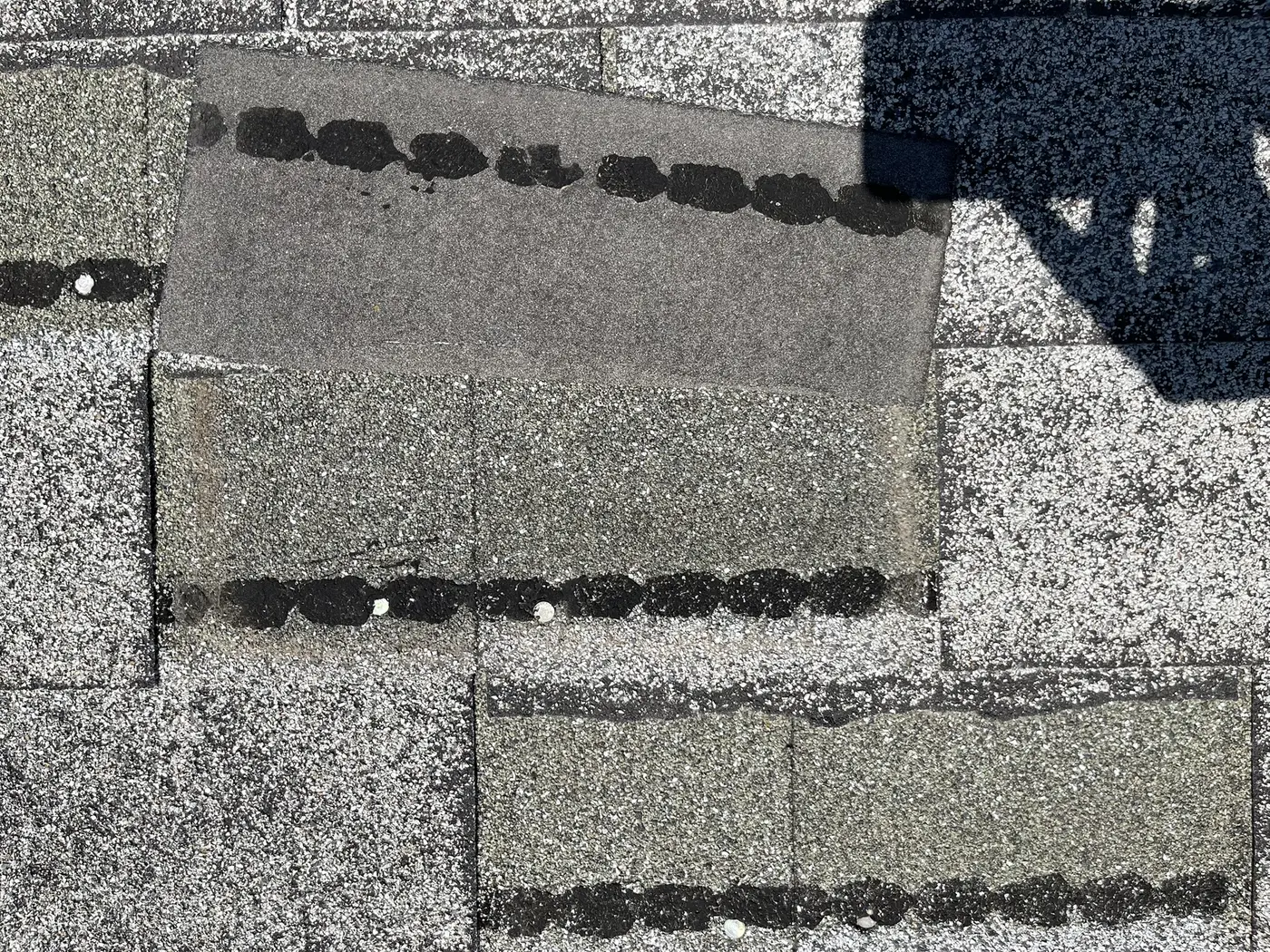
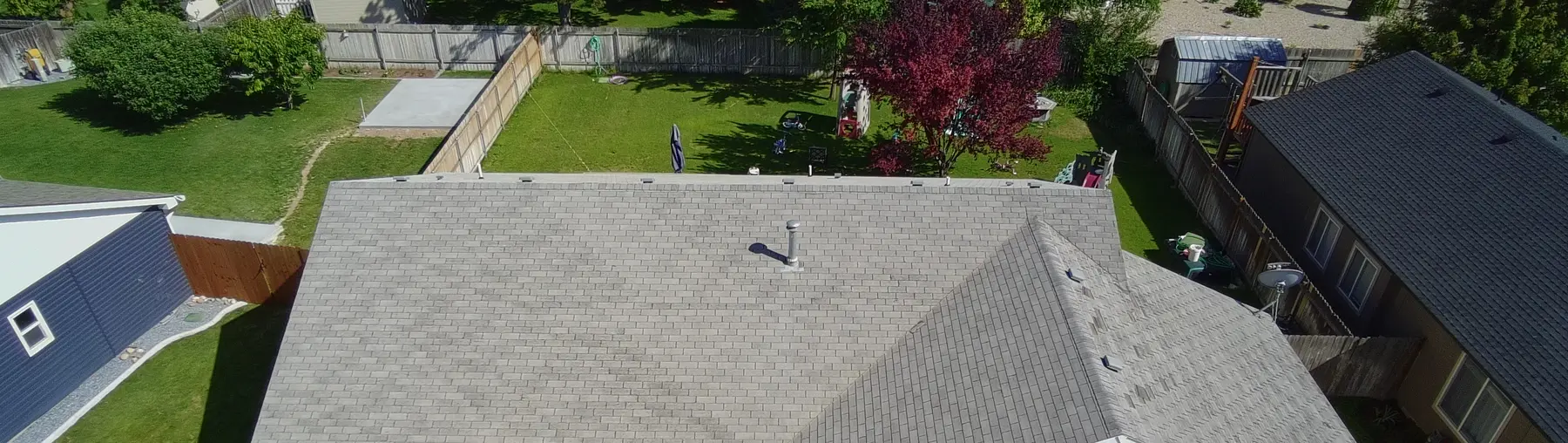
The inspection captured torn and displaced shingle material, lifted tabs, broken adhesion and creasing consistent with wind effects. Wide roof views established context while close photographs showed the condition of individual shingles and seal strips.
- Torn and displaced shingle material
- Lifted tabs and loss of adhesion
- Creasing across wind-affected shingles
- Exposed seal strips beneath lifted materials
- Damage photographed from both wide and close perspectives
The report
Correct evidence, formatted for the carrier.
Sawtooth organized the roof photographs and construction findings according to the carrier's requested specifications. The report connected each close-up to the broader roof condition instead of presenting a loose collection of images.
That structure gave the adjuster a clearer record to evaluate. Sawtooth then communicated directly with the adjuster about the documented conditions and the roofing scope.
A strong inspection must be understandable to someone who was not standing on the roof. Location, damage type, context and construction significance all need to be clear in the written and photographic record.
The outcome
Full roof approval in less than two weeks.
After Sawtooth submitted the properly organized documentation and communicated with the adjuster, the carrier approved the complete roof replacement in under two weeks.
The homeowner received an entirely new roof and paid the $500 deductible required by the policy. The carrier made the coverage determination; Sawtooth supplied the inspection, documentation, construction explanation and completed roofing work.
Completed project
A new roof after a long road to approval.
Inspection gallery
The wind-damage evidence behind the report.