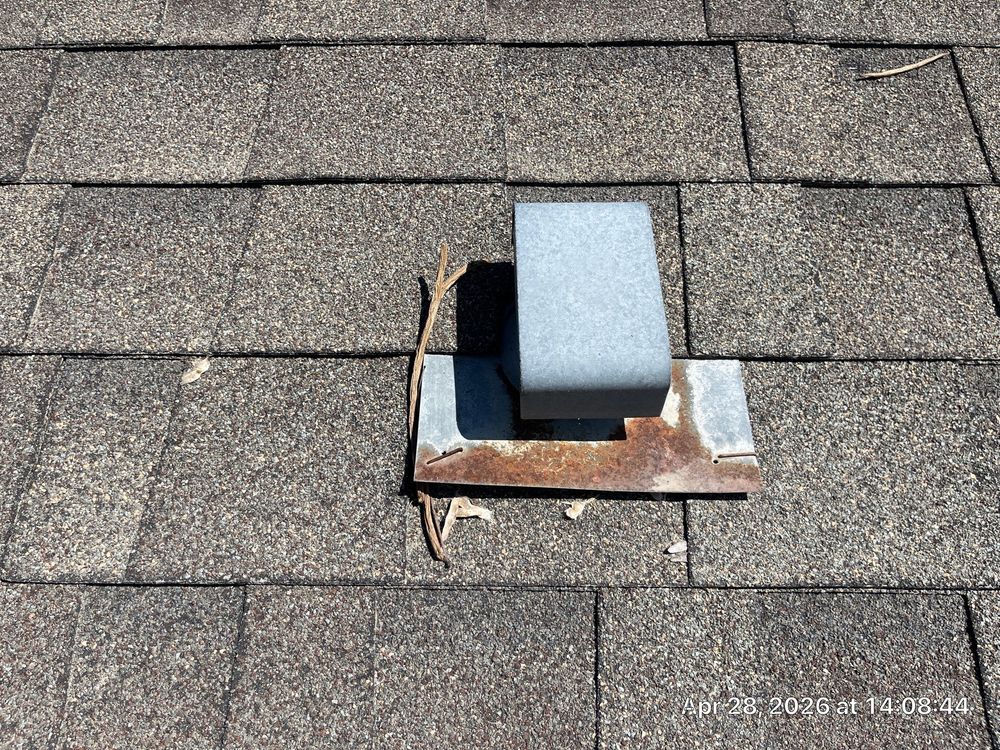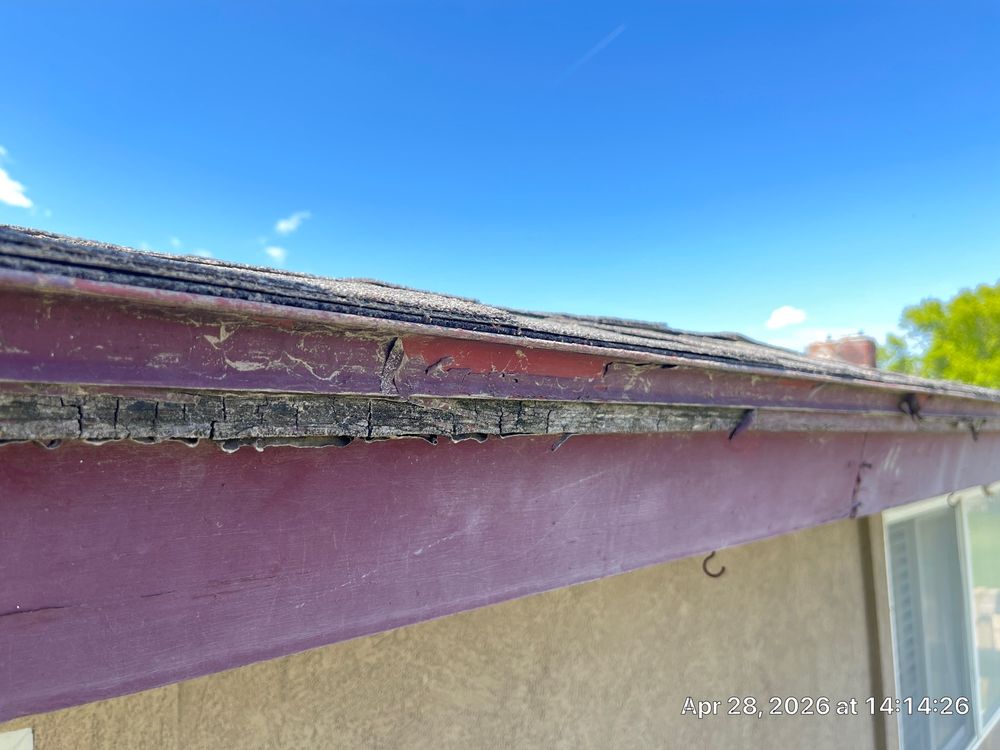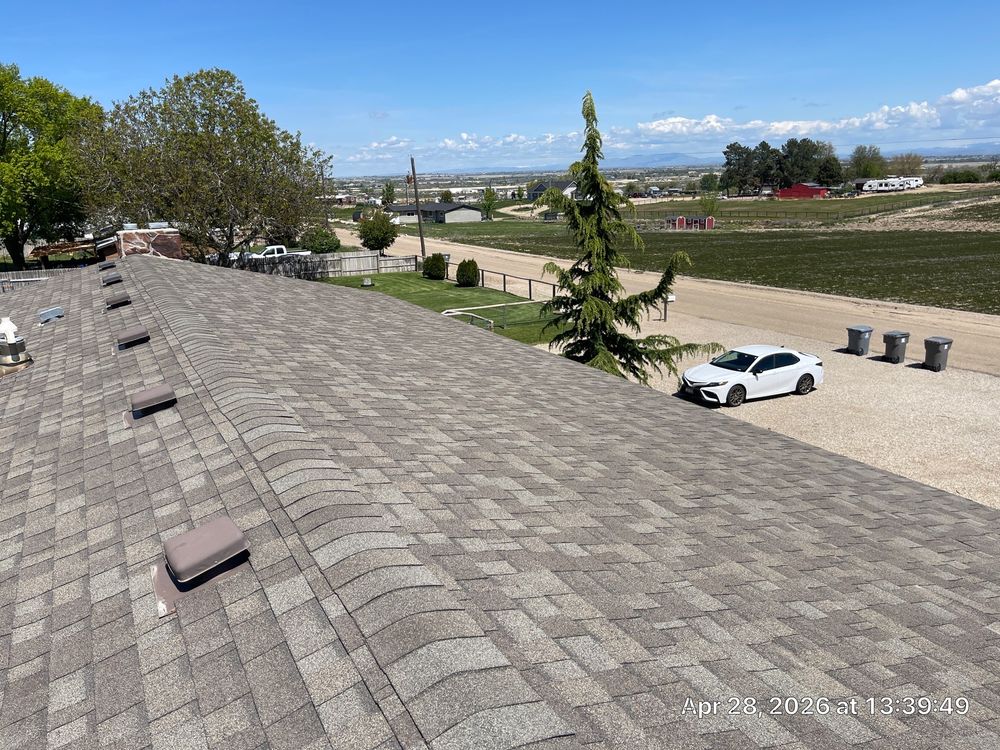
The goal was not simply to count damaged shingles. Sawtooth evaluated the roof as a system—covering materials, penetrations, flashing, ventilation and the conditions beneath lifted areas.
The challenge
Several problems were happening at once.
The front and rear slopes were aging at different rates. The rear slope showed the shortest remaining service-life estimate, while localized wind damage and vulnerable roof details increased the risk of water intrusion.
A spot repair could address an individual symptom, but it would not explain the broader condition of the roof or the number of components nearing the end of their useful life.
What the inspection found
Damage extended beyond normal wear.
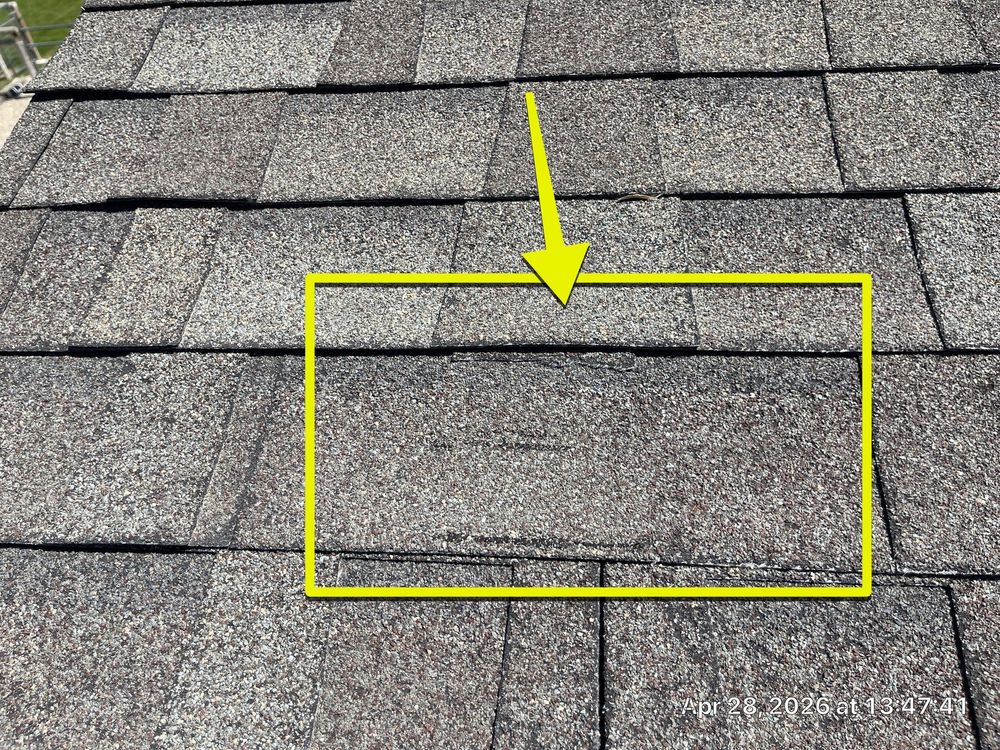
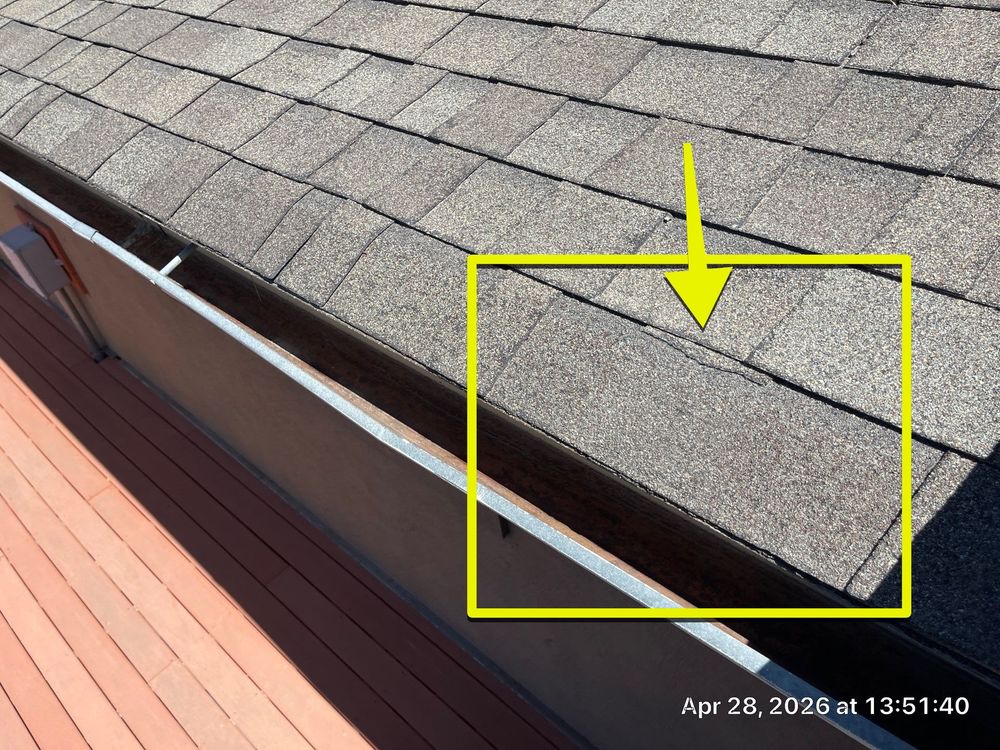
- Three wind-torn shingles on the rear slope, including one torn tab found roughly 40 feet from its original location
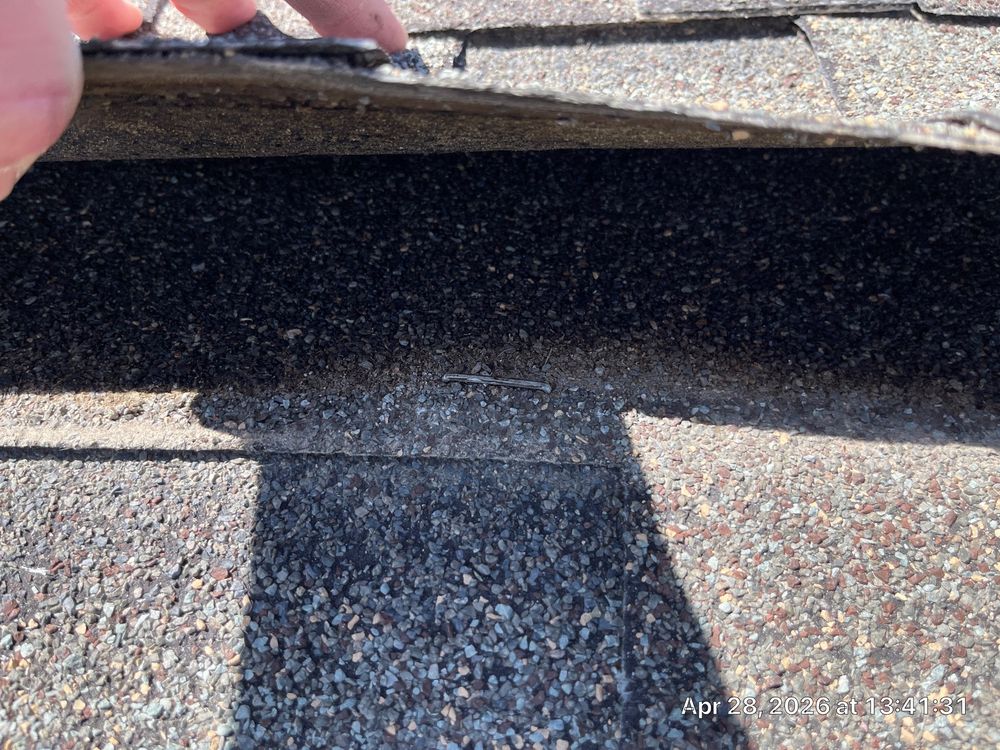
- Lifted shingles and soft-feeling areas beneath them, indicating that decking condition required attention
- A raised nail that had punctured a shingle
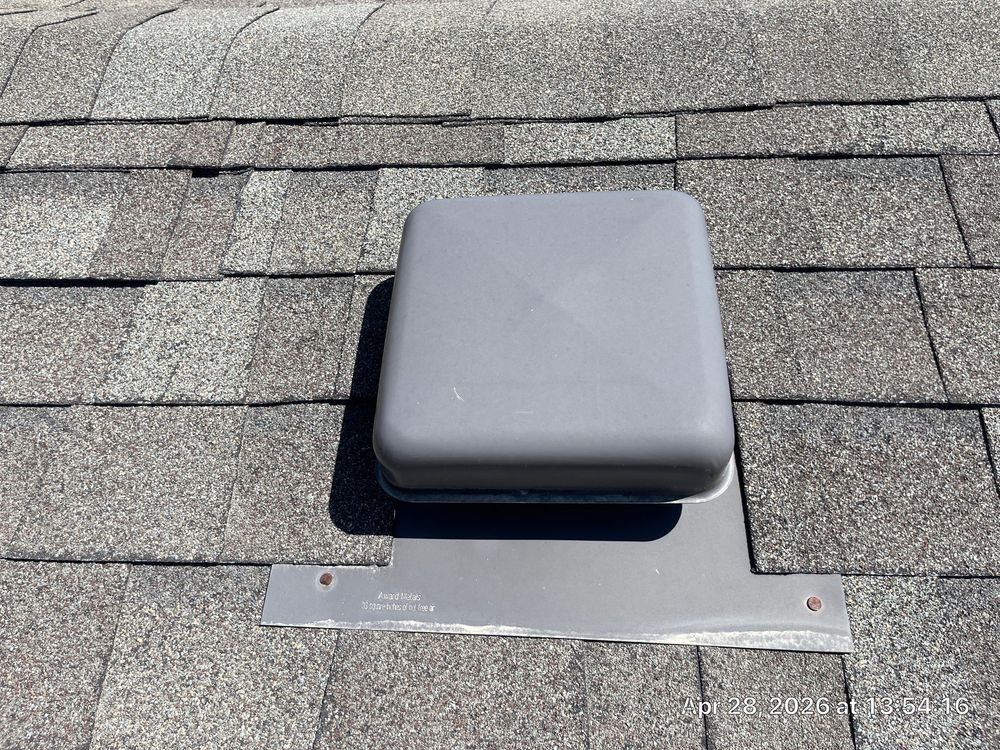
- Unsealed fasteners at roof vents, pipe penetrations and chimney flashing
- Corroded or unsecured dryer vents
- No intake ventilation visible at multiple soffit areas
- Deteriorated drip-edge flashing and fascia
Photographs tied each recommendation to a visible condition. That gives the homeowner a clearer basis for deciding between isolated repairs and a broader roofing scope.
The approach
Build the recommendation around the entire system.
Sawtooth organized the findings by roof slope and component rather than treating every concern as an unrelated repair. The assessment separated immediate water-entry risks from age-related deterioration and identified areas where the underlying deck would need to be evaluated during roofing work.
The resulting scope could account for shingle condition, flashing, edge metal, penetrations and ventilation together—helping avoid a new surface being installed over unresolved details.
The result
A clear, photo-supported path forward.
The homeowner received a documented roof-health report that made the condition of the roof understandable. Instead of relying on a street-level impression, the decision could be based on verified damage patterns and the condition of the components that protect the home from water.
Customer identity and the precise project location are intentionally withheld for privacy.
Inspection gallery
The conditions behind the recommendation.